
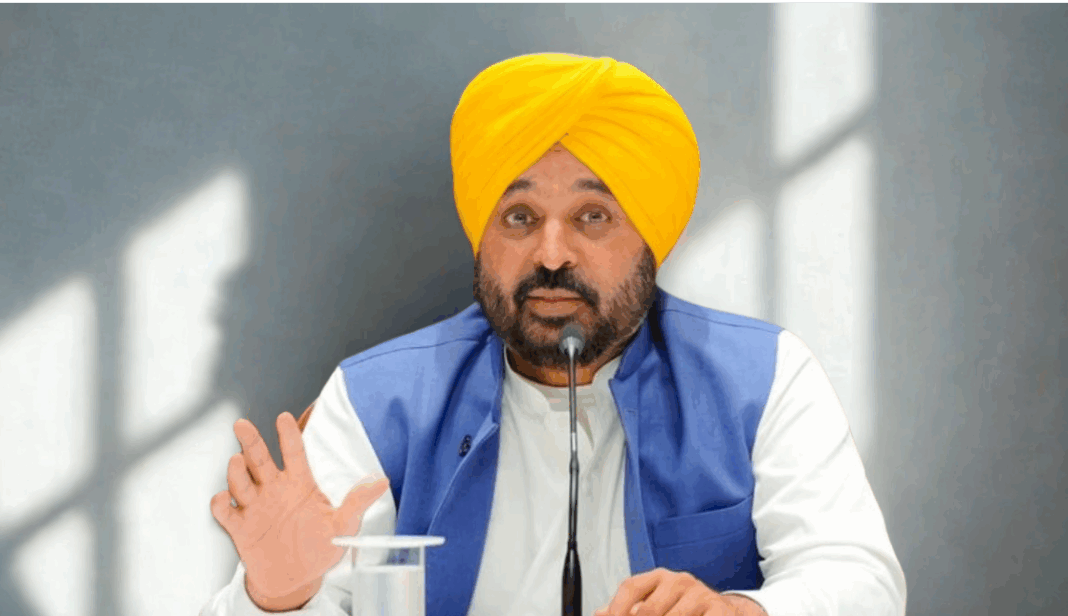

The Aam Aadmi Party (AAP) government in Punjab, under Chief Minister Bhagwant Mann, has been criticized for actively appointing individuals from Delhi and other states to key positions.
Shalin Mitra, a native of Muzaffarnagar, Uttar Pradesh, and personal assistant to Delhi Aam Aadmi Party (AAP) leader Satyendar Jain, now serves as the Officer on Special Duty (OSD) to Punjab’s Health Minister, Dr. Balbir Singh. Similarly, Reena Gupta from Delhi chairs the Punjab Pollution Control Board, while Deepak Chauhan, also from Uttar Pradesh, heads the Punjab Large Industrial Development Board. These appointments reflect a broader trend, as AAP previously named Vibhav Kumar, a close aide of Arvind Kejriwal, as Chief Advisor in October 2024. Critics argue that these decisions prioritize party loyalists over local talent.
Consequently, opposition leaders have fiercely condemned this pattern. Congress leader Partap Singh Bajwa declared, “Punjab is not a colony of Delhi. Why are jobs meant for Punjabis going to Kejriwal’s aides?” Likewise, Sukhpal Khaira, another opposition figure, labeled Mann a “dummy CM,” accusing Kejriwal of orchestrating a “takeover” of Punjab’s key posts. These criticisms highlight a growing perception that AAP’s Delhi leadership exerts undue influence, undermining Mann’s authority. Political analyst Jagtar Singh noted, “Appointing outsiders signals a parallel power center, eroding the Chief Minister’s credibility.”
Moreover, this approach contradicts AAP’s 2022 campaign promises of empowering Punjabis and fostering local governance. Social media platforms like X amplify this discontent, with users like @nksharma112 questioning, “Are Punjabis only good for votes, not leadership?” The appointments fuel accusations that AAP treats Punjab as a testing ground for Delhi’s political allies, ignoring the state’s own needs. As resentment grows, AAP risks alienating its voter base, which expected transformative change but now sees loyalty to the party’s national leadership taking precedence.
Ignoring Punjab’s Unemployed Youth and Driving Migration
Meanwhile, Punjab grapples with a severe unemployment crisis, pushing its youth to seek opportunities abroad while the AAP government overlooks local talent. According to the Periodic Labour Force Survey (January-March 2024), Punjab’s unemployment rate stands at 7.7%, surpassing the national average of 6.7%. Urban youth (aged 15-29) face a staggering 17.4% unemployment rate, with 15% for men and 26% for women. Economist Dr. Lakhwinder Singh emphasized, “80% of Punjab’s employed youth are dissatisfied with their jobs, the highest in India.” This dissatisfaction, coupled with low employment elasticity and an “investment famine,” leaves many young Punjabis disillusioned.
As a result, migration has surged, with the Punjab Agricultural University reporting a steady increase in young people leaving for countries like Canada and Australia. For example, Ranjandeep Singh, a 22-year-old graduate from Malout, is preparing for language tests to emigrate, citing a lack of stable, well-paying jobs. Dr. Singh explained, “Without investment in dynamic sectors like technology, Punjab’s economy stagnates, forcing youth to look abroad.” The AAP government’s failure to address these structural issues exacerbates the exodus, yet it continues to appoint outsiders to roles that could employ qualified locals.
Furthermore, opposition parties have seized on this neglect. BJP spokesperson Jaiveer Shergill called AAP’s governance a “black era,” accusing it of “betraying Punjab’s youth with unfulfilled promises.” Analyst Ashutosh Kumar warned, “AAP risks losing its identity as a party of alternative politics by ignoring Punjab’s unemployed.” Public sentiment echoes this frustration, with X user @Indousmedia stating, “Punjab’s youth deserve jobs, not betrayal. Why are outsiders prioritized over locals?” The government’s inaction on unemployment, paired with its preference for non-Punjabis, fuels perceptions of double standards.
In contrast, Bhagwant Mann’s promises to create jobs for Punjabis ring hollow. While he publicly champions local empowerment, his administration’s actions suggest otherwise, prioritizing party loyalists over the state’s struggling youth.
With the 2027 Punjab Assembly election approaching, AAP faces mounting pressure to reverse course. By investing in local talent and addressing unemployment, the government could stem migration and restore trust. However, as Bajwa cautioned, “Punjabis won’t forgive Mann for this betrayal.” Unless AAP prioritizes its people, it risks losing the mandate that brought it to power, leaving Punjab’s youth with little hope for a vibrant future at home.