
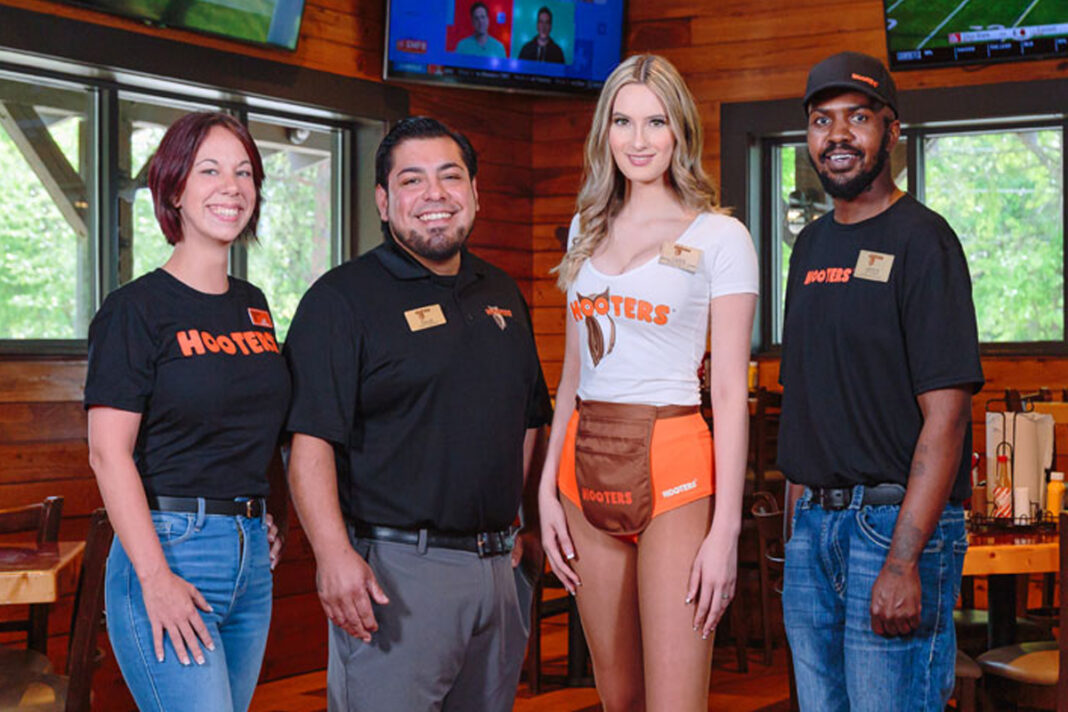

U.S. food chains are closing. Hooters has filed for bankruptcy, shocking the industry. Moreover, the shift in consumer tastes is clear. The traditional model is under pressure.
The U.S. restaurant industry is huge, valued at over $800 billion, and employs millions of workers. However, rising costs have hurt many chains. Labor expenses have increased sharply, and supply chain issues have raised ingredient prices. Rent costs have also surged, resulting in considerably shrinking profit margins.
Changing Consumer Tastes
Consumer habits have changed rapidly. 65% of Americans now prefer fast-casual dining. Moreover, online ordering grew by 30% in the past year. Customers now seek healthier food options and demand modern, casual settings. Consequently, chains that do not evolve struggle to attract diners.
Hooters and the Traditional Model
Hooters built its brand on a unique dining experience. The chain relied on a specific atmosphere and menu. However, modern diners have different expectations. They look for healthier choices and updated environments. As a result, Hooters could not keep up with market trends. This failure has led to its bankruptcy.
Digital Disruption
Digital technology is reshaping the restaurant industry. Many chains now use online ordering systems and offer fast delivery options. In addition, social media and online reviews guide consumer decisions. Therefore, businesses that ignore digital trends lose market share. Chains are now investing in technology to remain competitive.
Industry Challenges and Future Outlook
The current crisis reflects broader industry challenges. Economic pressures and shifting consumer demands have forced many brands to change, and analysts warn that more traditional chains may face bankruptcy. In response, business leaders are rethinking their strategies, modernizing operations, updating menus, and investing in digital tools and delivery systems. These efforts aim to capture a new generation of diners.
Economic pressures and changing consumer tastes have reshaped the market, and food chains like Hooters have suffered. Additionally, the rise of digital technology has altered how restaurants operate. In short, traditional brands must adapt or face closure. The industry is vast and competitive. Therefore, innovation and modernization are essential for survival. The future of the U.S. restaurant industry will depend on its ability to evolve quickly.