
Key Points:
-
Katherina Reiche visits Washington to support EU trade talks.
-
Trump’s 50% EU import tariffs are set to take effect on July 9.
-
Reiche to meet US officials and business representatives.
-
EU threatens counter-tariffs if trade deal fails.
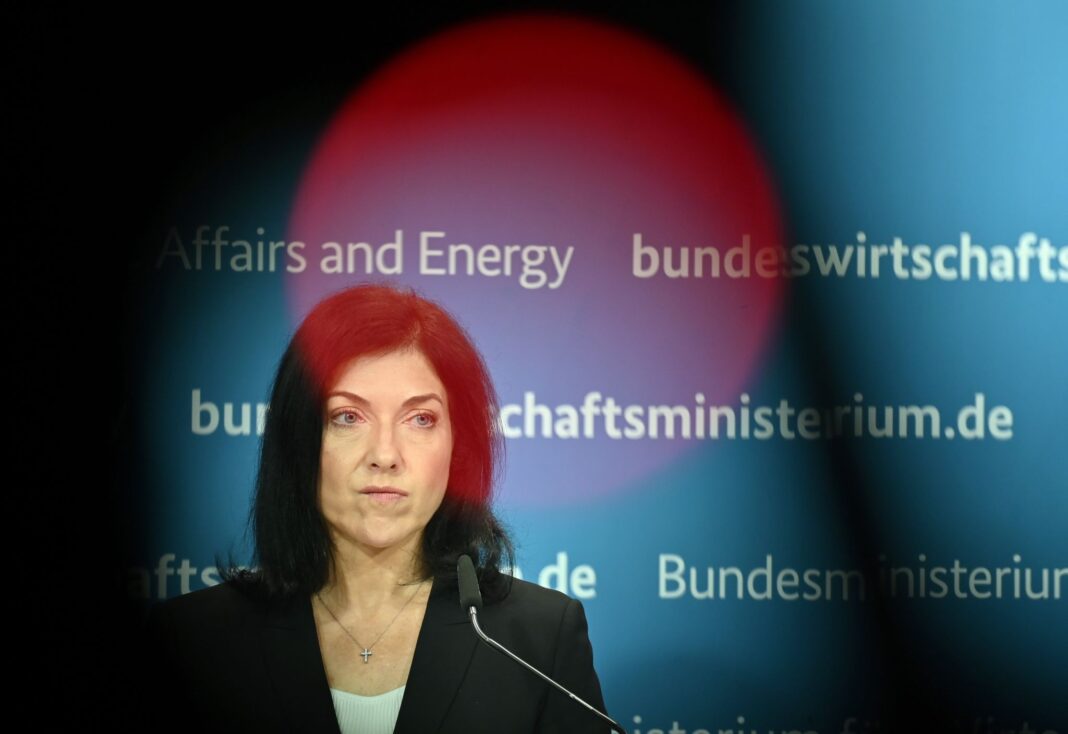
Berlin, June 19, 2025 – German Economy Minister Katherina Reiche will visit Washington to bolster EU-US trade negotiations as President Donald Trump’s threatened 50% tariffs on EU imports loom. Reiche aims to engage Trump administration officials and business leaders to avert a trade war before the July 9 deadline. Her trip follows Chancellor Friedrich Merz’s recent visit to the White House, signaling Germany’s push for trans-Atlantic cooperation.
Reiche’s Mission to Strengthen EU-US Trade Dialogue
Katherine Reiche’s visit to Washington underscores Germany’s urgency to resolve EU-US trade tensions. Trump’s proposed 50% tariffs on EU imports, effective July 9, have rattled markets. Reiche will meet Trump administration officials and industry leaders. Her ministry emphasized supporting EU negotiations during this critical phase. Chancellor Merz, after meeting Trump earlier, expressed optimism about a deal. The focus may be on key sectors, such as automobiles. Reiche coordinates with the European Commission. A ministry spokesperson said, “Dialogue is vital now.” Germany, a major EU exporter, faces significant risks. Businesses worry about rising costs. Reiche’s talks aim to prevent escalation. Local exporters urged swift action. This visit highlights Germany’s leadership in EU trade efforts. It seeks to stabilize economic ties.
Trump’s Tariff Chaos and Its Impact on Global Trade
Trump’s trade policies have disrupted global markets since January. His 50% tariff threat on EU imports is the latest move. He imposed levies on steel and aluminum but paused some tariffs for talks. This unpredictability confuses trading partners. Germany, a key EU economy, feels the pressure. The car industry faces heavy losses. Trump aims to shield US manufacturers. Yet, his approach risks trade wars. The EU warns of counter-tariffs if talks fail. A Berlin analyst said, “This is economic brinkmanship.” Businesses struggle to plan. Consumers may face higher prices. Reiche’s visit seeks clarity. Germany pushes for a deal before July 9. Trump’s policies spark global debate. Other nations watch closely. This trade standoff tests international cooperation. Reiche’s talks are a pivotal moment.
Germany’s Role in Leading EU Trade Negotiations
Germany drives EU efforts to counter Trump’s tariffs. Reiche’s Washington trip builds on Merz’s White House visit. As Europe’s largest economy, Germany has significant stakes. The auto sector employs thousands. Reiche’s ministry collaborates with the European Commission. A deal may prioritize major industries. Merz predicted an agreement would be reached before July 9. Reiche’s meetings include business leaders. They seek to influence US policy. A German carmaker said, “We need stability.” Germany’s proactive stance strengthens EU unity. Other EU nations support Reiche’s mission. The talks test diplomatic skills. Failure could harm trans-Atlantic ties. Germany’s leadership inspires confidence. Local workers rally behind Reiche. This effort shapes the EU’s trade future. Reiche’s visit is a bold step.
Broader Implications for Trans-Atlantic Economic Relations
Trump’s tariffs threaten EU-US economic ties. Reiche’s visit aims to preserve cooperation. A trade war would hurt both sides. Germany’s auto exports to the US are vital. Counter-tariffs could raise consumer prices. Reiche’s talks seek a balanced deal. The July 9 deadline looms large. Businesses demand certainty. A trade expert said, “Dialogue is the only way.” Germany’s outreach reflects urgency. Social media buzzes with trade talk. Workers fear job losses. Reiche’s meetings may set a precedent. A deal could stabilize markets. Failure risks long-term damage. Germany’s efforts highlight the role of diplomacy. Schools discuss trade’s impact. This crisis tests global trust. Reiche’s mission carries hope.